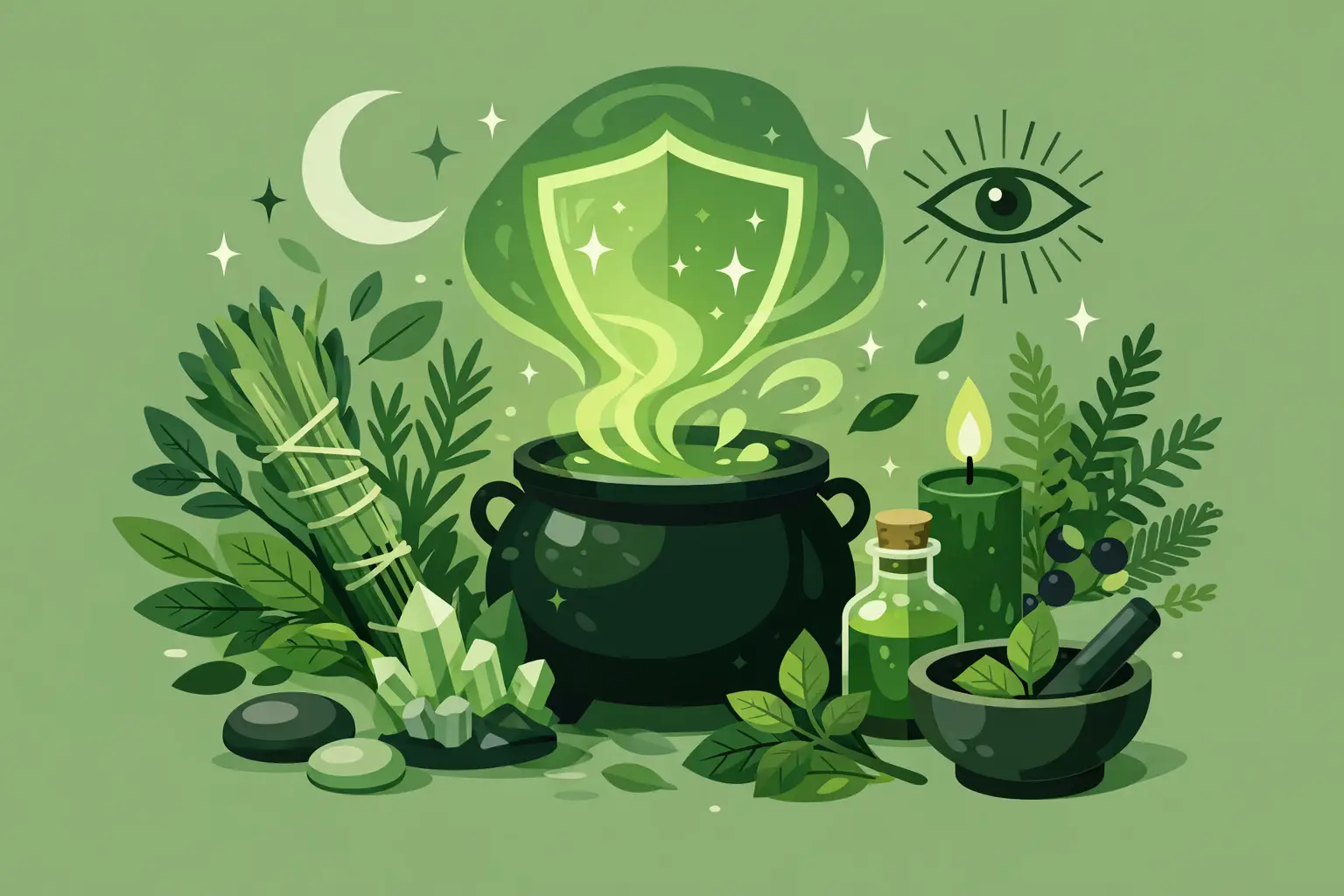
Protection work usually starts at the exact moment you realize your energy feels off. Maybe you have been unusually drained after certain conversations, your home feels heavy, or your rituals seem scattered instead of focused. That is where the best herbs for protection magic can make a real difference. Not because herbs are a shortcut, but because they give your intention a physical form you can work with step by step.
If you are new to magical practice, this matters. Protection is one of the smartest places to begin because it teaches core skills at once – intention setting, energy awareness, ritual structure, and discernment. Herbs help make those lessons tangible. You can see them, smell them, prepare them, and learn how each one supports a specific kind of protective work.
What makes an herb good for protection magic?
A protective herb is not just one with a dramatic reputation. The best herbs are the ones that consistently support boundaries, cleansing, banishing, grounding, or spiritual reinforcement. In practical terms, that means they help you clear stagnant energy, strengthen the atmosphere around you, or anchor your focus when you are doing ritual work.
This is also where beginners get confused. People often ask for the single strongest herb, but protection is not one thing. Sometimes you need cleansing. Sometimes you need a ward. Sometimes you need emotional steadiness so you stop absorbing everyone elses energy. The right herb depends on the job.
Best herbs for protection magic and what they actually do
Rosemary
Rosemary is one of the most reliable protective herbs in any beginner toolkit. It is accessible, versatile, and traditionally used for cleansing, protection, memory, and mental clarity. If you only start with one herb, rosemary is a strong choice.
What makes rosemary so useful is its range. You can burn a small amount as incense, place it by the front door, add it to a protection sachet, or use it in a floor wash for the home. Energetically, it works well when you want clean, alert, steady protection rather than heavy banishing force.
Basil
Basil is often associated with prosperity, but it also has a strong place in protection work. It helps guard the home, lift dense energy, and restore a sense of spiritual order. Basil is especially helpful when protection and blessing need to happen together.
That combination matters more than many people realize. Some environments do not just need negativity removed. They need harmony rebuilt. Basil can support that softer but still effective form of protection, which makes it ideal for household magic.
Bay leaf
Bay leaf is excellent for boundary work, intention setting, and protective spellcraft. It is commonly used in petitions, written spells, and home protection because it holds focused intent very well. If your practice is structured and goal-oriented, bay leaf fits naturally.
Many practitioners write a word or symbol on a bay leaf and use it in ritual to reinforce a specific protective aim. The strength of bay is precision. It is less about emotional comfort and more about directing energy clearly.
Sage
Sage is widely known for cleansing, but that does not automatically mean every form of sage use is the right choice for every practitioner. In protection magic, sage is best understood as a clearing herb. It removes energetic buildup so protective work can actually hold.
This is an important distinction. Cleansing and protecting are related, but they are not identical. If you clear a space without adding new boundaries, the space may feel better for a while but remain energetically open. Sage works best when followed by a protective step, such as setting intention, placing herbs at entry points, or building a ward.
Mugwort
Mugwort is often linked with intuition, dreams, and psychic awareness, but it can also support spiritual protection, especially for people doing divination or spirit-focused work. It helps create sharper energetic perception, which is a form of protection in itself.
That said, mugwort is not always the first herb to use for basic household protection. It is better suited to practitioners who want to protect their psychic space, strengthen ritual awareness, or create safer boundaries around intuitive practice. It depends on your goal.
Thyme
Thyme has a long history in purification and courage-based magic. In protection work, it helps fortify personal energy and support resilience. This makes it especially useful if your issue is not only outside energy, but your own sense of depletion or nervousness.
There is a practical lesson here. Some protection rituals fail because the practitioner feels fearful, doubtful, or energetically unsteady. Thyme supports a stronger internal posture. That makes your magic more focused and your boundary-setting more convincing.
Rue
Rue is a classic protective herb with a reputation for warding off harmful energy and breaking unwanted influence. It is often used in stronger defensive work and can be powerful in uncrossing or banishing practices.
Because of that, rue is not always the gentlest starting point. It is effective, but many beginners do better when they first learn the difference between cleansing, warding, and banishing before reaching for heavier herbs. Used with clarity, rue is excellent. Used vaguely, it can turn into ritual theater without understanding.
Lavender
Lavender may seem too gentle for protection, but that is exactly why it deserves a place on this list. Protection is not always about force. Sometimes it is about calming the nervous system, restoring peace, and preventing chaos from taking root.
Lavender is ideal for sleep protection, emotional balance, and creating a peaceful atmosphere in the home. If someone is highly sensitive, anxious, or spiritually overwhelmed, lavender can be more effective than harsher herbs because it stabilizes rather than agitates.
Cedar
Cedar is grounding, protective, and excellent for space clearing. It is often used to bless and strengthen a home while creating a sense of rooted safety. Cedar protection feels solid. It is less flashy, more foundational.
For home magic, this makes cedar especially valuable. If your goal is to create a home that feels spiritually strong day after day, cedar is one of the best herbs to work with consistently.
Angelica
Angelica is often used in protection magic for spiritual shielding and higher-level defensive work. It carries a strong sense of sacred protection and is often chosen when someone wants support that feels both protective and spiritually aligned.
This herb tends to resonate with practitioners who want their protection work to feel devotional, not just defensive. If your practice includes prayer, ancestor reverence, or sacred ritual structure, angelica can be a meaningful addition.
How to choose the right protection herb
The easiest mistake is choosing herbs based on popularity instead of purpose. Start with the situation. If your home feels heavy, rosemary, sage, basil, or cedar may fit. If your sleep feels disturbed, lavender and mugwort may be more appropriate. If you need stronger boundary work, bay and rue may be better choices.
You should also pay attention to how your body and intuition respond. An herb can be traditionally protective and still not be your best match for a specific ritual. Real magic that works is not about copying random correspondences. It is about understanding what the herb does and using it with clarity and confidence.
Simple ways to use protective herbs
You do not need an elaborate ritual to start. Protective herbs can be used in incense blends, protection sachets, ritual baths, doorway charms, altar bowls, floor washes, or candle work. The method matters less than the intention and structure behind it.
For example, a beginner-friendly home protection practice might involve cleansing the space first, then placing rosemary and basil near the entrance while speaking a clear intention for peace and protection. A personal protection ritual might use thyme or bay in a small charm bag carried during stressful interactions. A sleep protection practice could combine lavender with a clear bedtime intention and placement near the bed.
Keep the process simple enough that you can repeat it. Consistency often protects better than intensity.
A quick safety note that matters
Not every herb should be burned, ingested, or applied to the skin. Some can irritate pets, children, or sensitive people. Protection magic should never come at the cost of basic physical safety. Research the herb itself, use common sense, and treat spiritual tools with the same care you would any household ingredient.
That grounded approach is part of strong practice. At School of Holistic Mastery, this is exactly the difference between scattered experimentation and step-by-step learning that builds real confidence.
The real power behind herb magic
Herbs do not create protection for you. They support the protective field you are building through intention, repetition, and energetic clarity. That is good news, because it means your practice can grow stronger with time instead of depending on finding one perfect ingredient.
Start with one or two herbs that match your actual needs. Learn how they feel in ritual. Notice what shifts in your space, your mood, and your boundaries. The more clearly you work, the more naturally protection becomes part of your everyday practice.